Bucerías is a beach town of roughly 15,000 people on the northern shore of Banderas Bay, in the municipality of Bahía de Banderas, Nayarit. It belongs to the stretch of coast marketed as the Riviera Nayarit, which runs north from the Ameca River to beyond San Blas.
A short history
For most of its history Bucerías was a small fishing village, its name usually explained as a reference to the divers (buzos) who once gathered oysters and shellfish in the bay. The coast road and the growth of Puerto Vallarta from the 1960s onwards brought the first holiday homes, and from the 1990s the development of Nuevo Vallarta and the Riviera Nayarit brought more visitors and many winter residents from the United States and Canada.
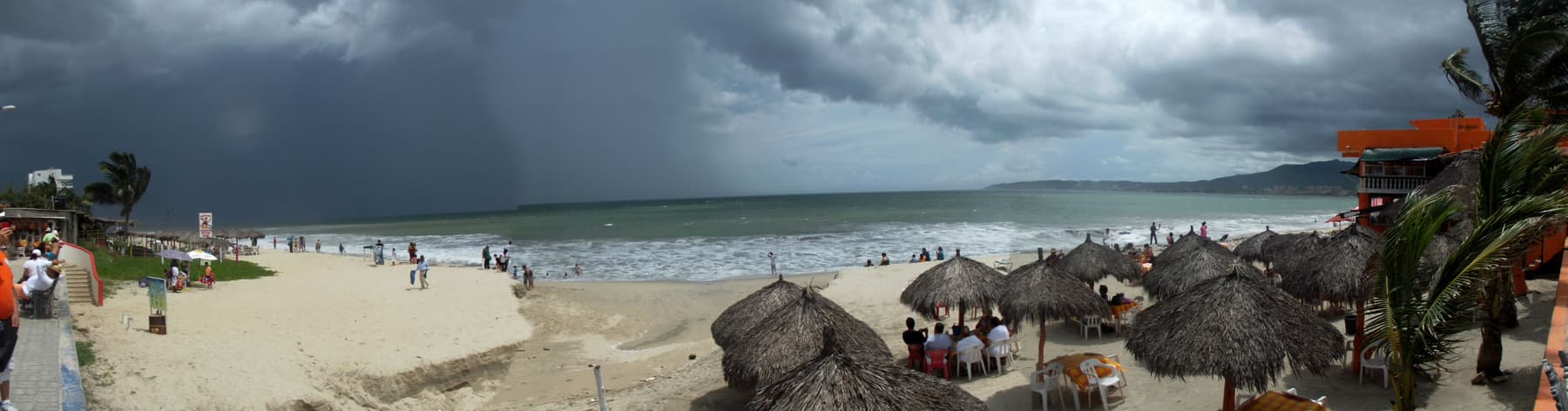
The town has kept much of its village scale: low buildings, cobbled streets, fishermen’s pangas on the sand and family restaurants on the beach. That is exactly why people choose it over the bigger resorts along the bay.
The places to see
Each of these has its own detailed guide:
 Bucerías itself
Playa Bucerías
A long, calm beach on the inner bay
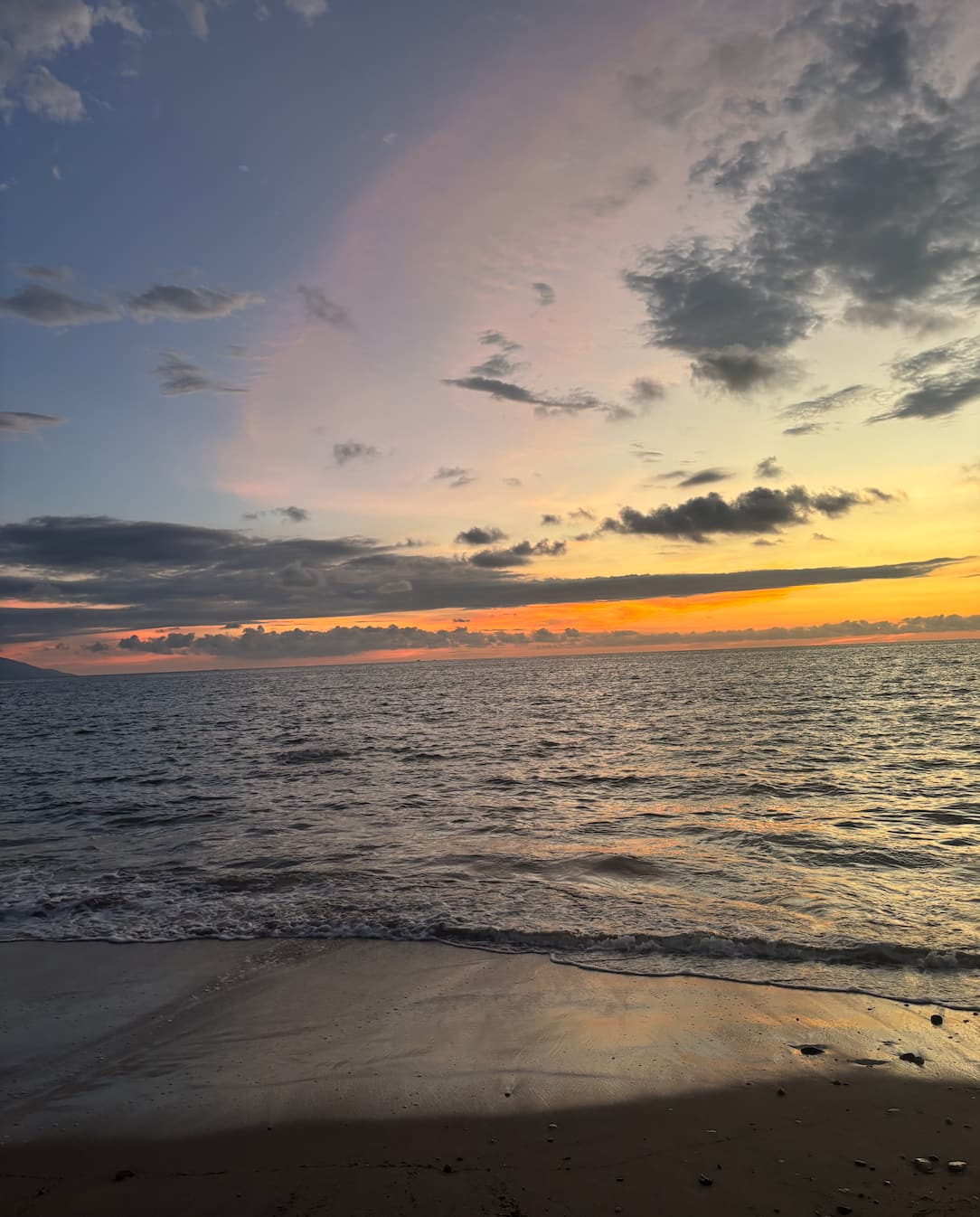
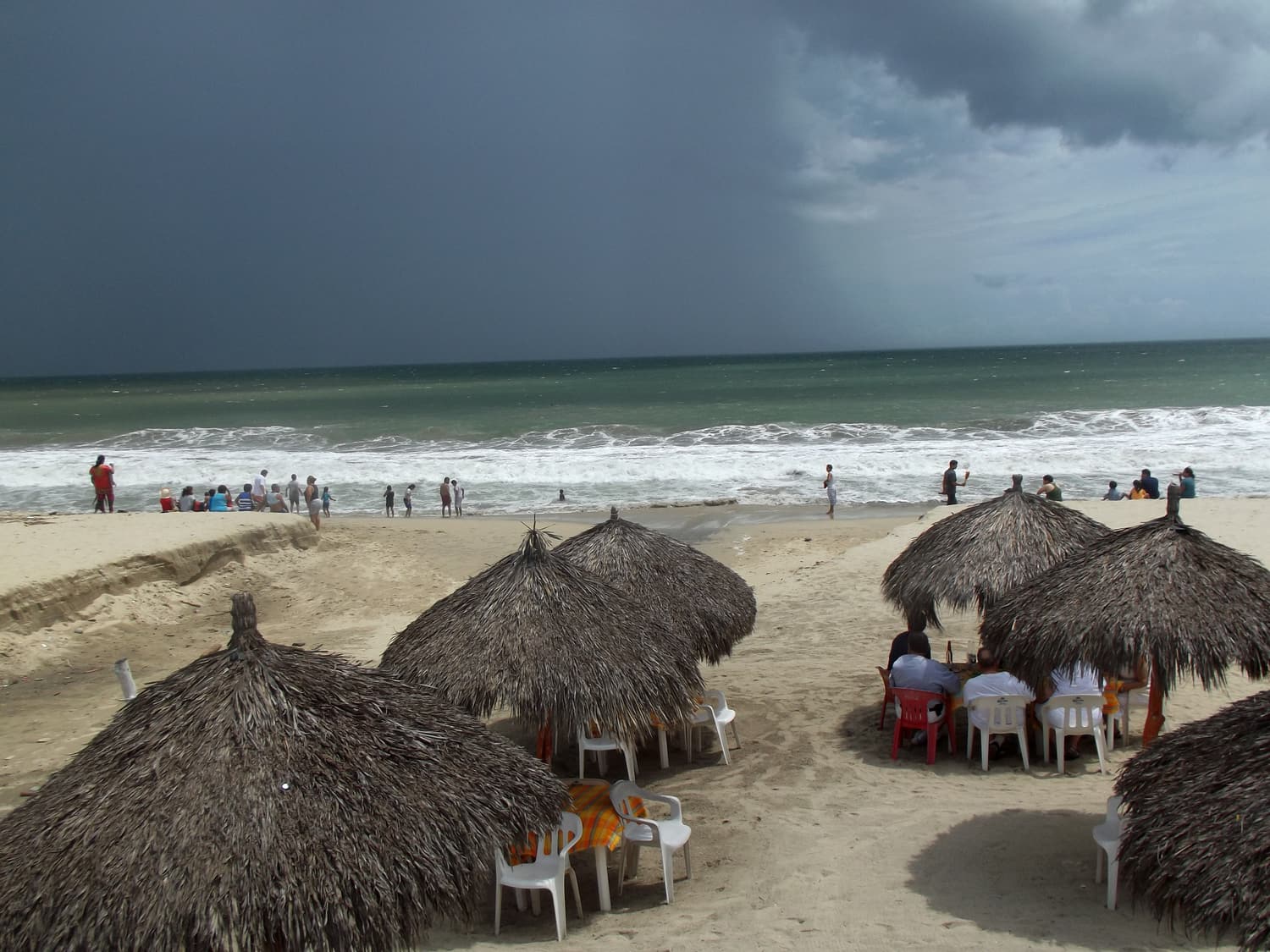
Kilometres of soft sand on the sheltered northern shore of Banderas Bay, with gentle water for swimming in the morning and a reliable thermal breeze for kitesurfers on winter afternoons. Palapa restaurants, fishing boats and sunsets over the bay complete the picture.
 Bucerías itself
Bucerías Centro & Art Walk
Cobbled streets, street stalls and galleries
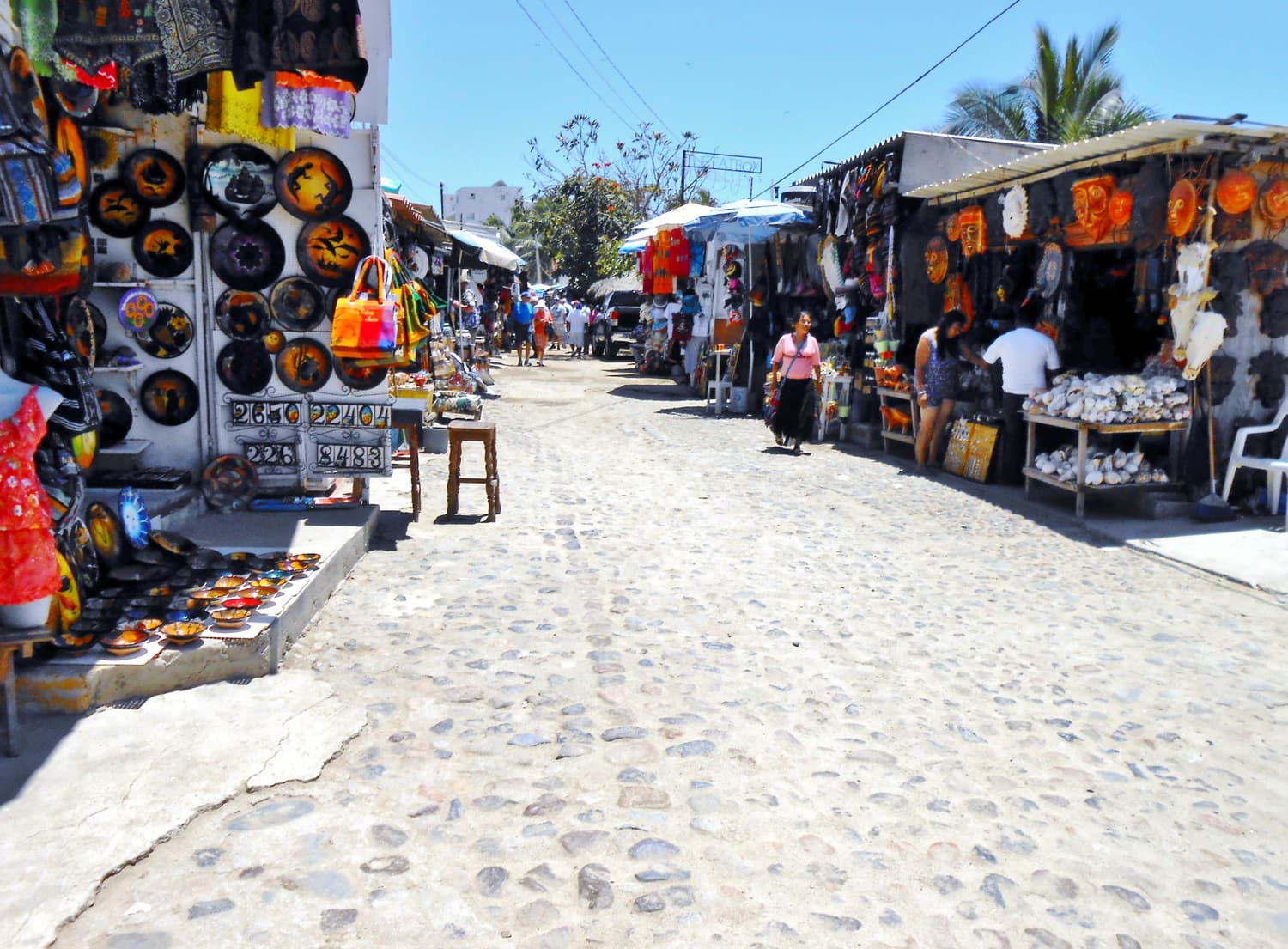
The compact heart of town: the plaza and church, cobbled lanes lined with craft stalls, beachfront restaurants and a cluster of galleries that open for an Art Walk on Thursday evenings in the high season. Small enough to explore on foot in an hour — and to keep coming back to.
 Around Banderas Bay
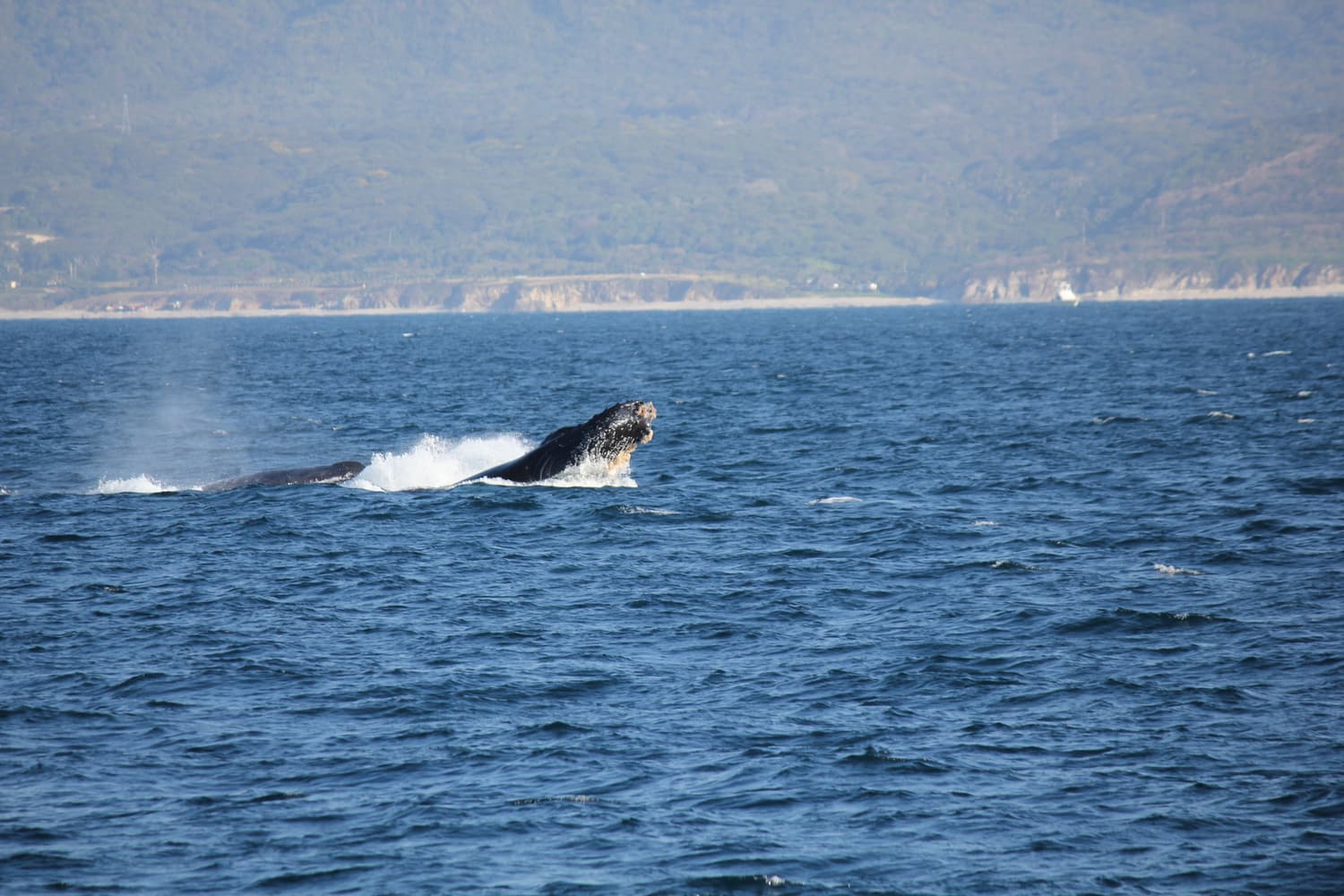
Whale Watching in Banderas Bay
Humpbacks from December to March
Every winter, humpback whales migrate to the warm, sheltered waters of Banderas Bay to mate, give birth and raise their calves. From roughly December to March, boats from Puerto Vallarta, Nuevo Vallarta and La Cruz take visitors out to watch them breach, slap their tails and travel with their young.
 Around Banderas Bay
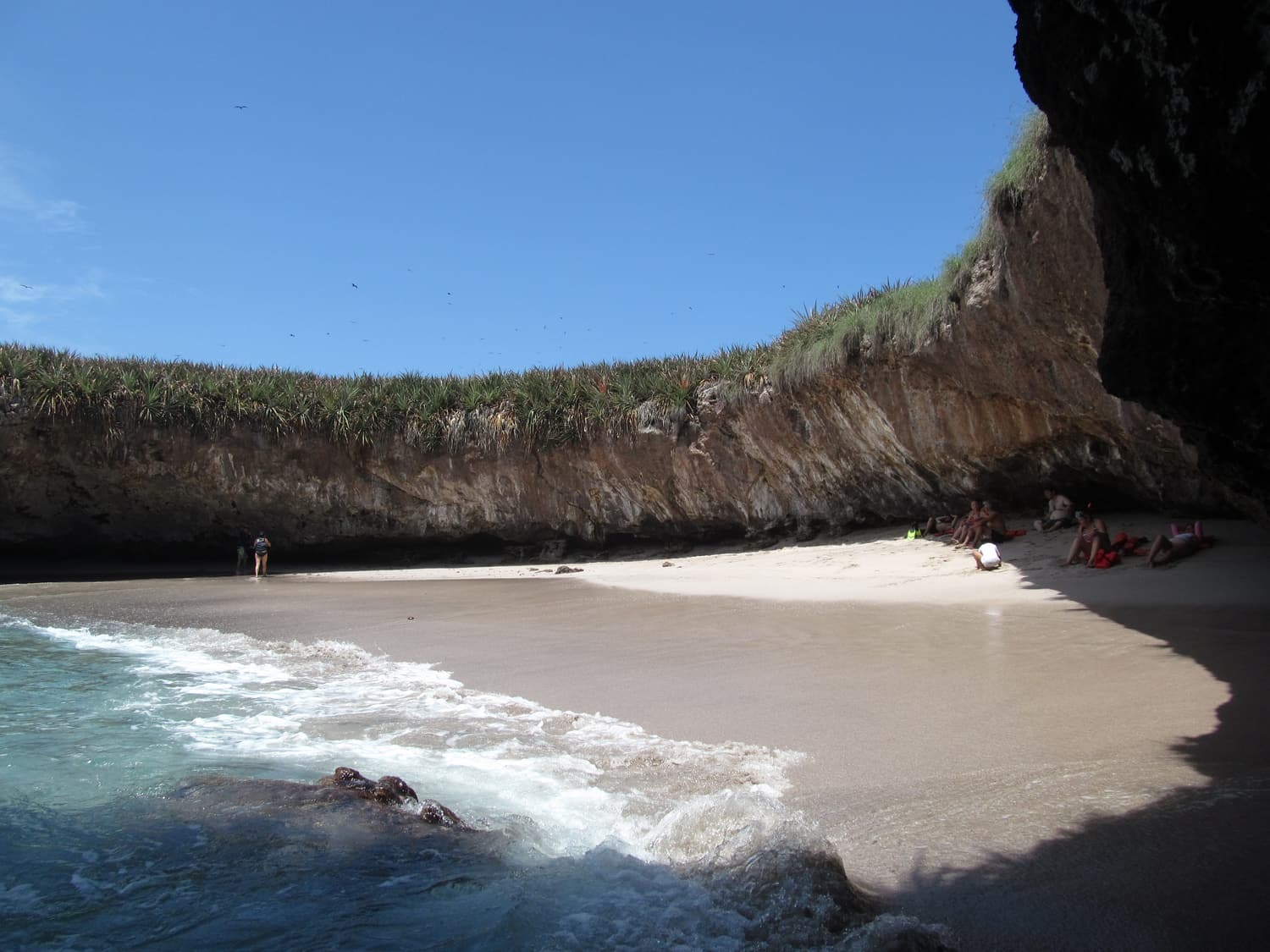
Islas Marietas
Protected islands and the famous Hidden Beach
A small group of uninhabited volcanic islands off Punta de Mita, protected as a national park. Tours snorkel around their reefs and caves, watch the seabirds — including blue-footed boobies — and, with limited daily permits, swim through a tunnel to the Hidden Beach inside a collapsed crater.
The best things to do
- Walk the beach: Playa Bucerías runs for kilometres; go early or at sunset.
- Browse the centre: the plaza, the street stalls and the galleries, and the Art Walk in high season.
- See the whales: humpbacks in the bay from roughly December to March.
- Sail to the islands: the Marietas Islands from La Cruz or Punta de Mita.
- Head up the coast: Sayulita, San Pancho and Punta de Mita.
Kitesurfing and windsurfing
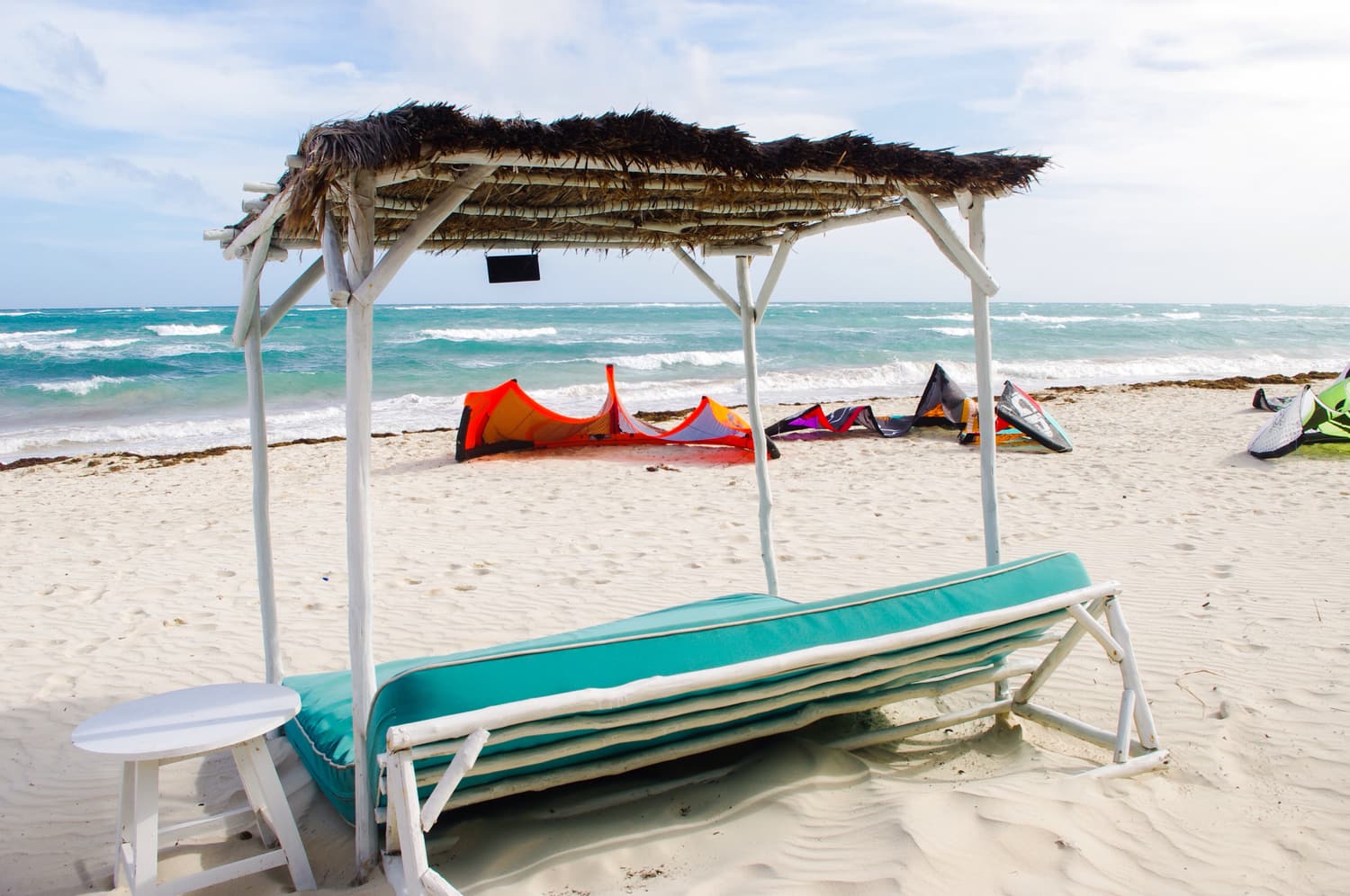
Bucerías is the best-known kitesurfing beach on Banderas Bay. In the winter and spring months, a thermal sea breeze builds most afternoons as the land heats up, blowing onshore across the bay in front of town; mornings are usually calm. The wind is generally at its most reliable from around February to April, but it varies from year to year. Schools on the beach offer lessons and rent equipment; beginners should always start with a qualified instructor and keep clear of swimmers.
Suggested itineraries
A long weekend
Day one: the beach, the centre and sunset seafood. Day two: the Marietas Islands from La Cruz. Day three: whale watching in season, or a lazy morning and Sayulita in the afternoon.
A week
Add Punta de Mita, San Pancho, a turtle release in season, an evening in Puerto Vallarta and a couple of days doing very little on the beach — which is what Bucerías does best.
Longer trips in Mexico
With two weeks or more, some travellers add Mexico’s Maya south. The ruins of Yaxchilán lie on the other side of the country, in the Chiapas rainforest on the Usumacinta River: you would normally fly to Villahermosa (usually via Mexico City), drive about two hours to Palenque and continue by road and river boat. Our Yaxchilán travel guide explains how to plan that leg.
Food and drink
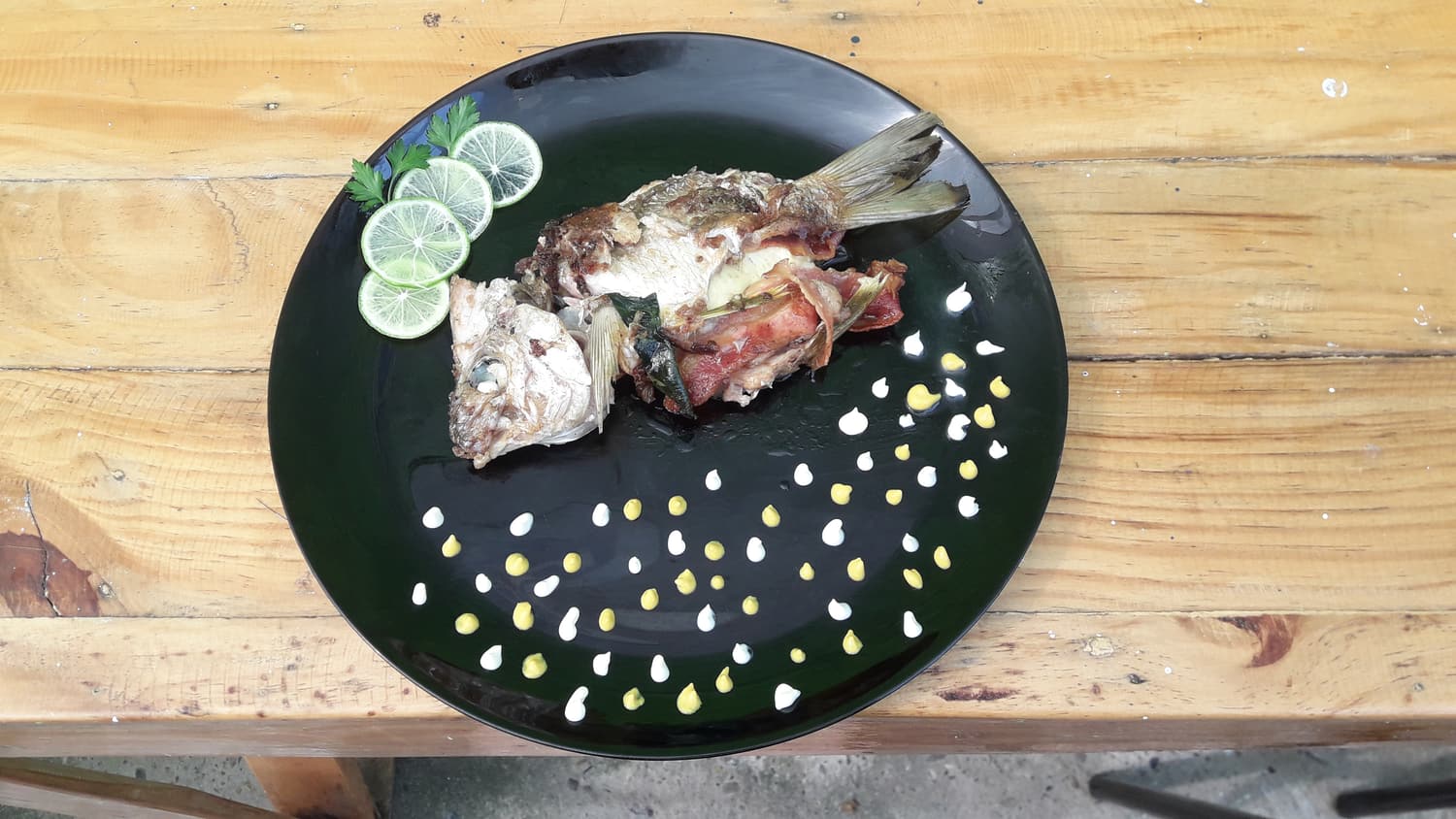
Seafood is the thing. Nayarit’s signature dish is pescado zarandeado: a whole fish split open, marinated with chilli and spices and grilled slowly over coals, eaten with tortillas, salsa and lime. You will also find ceviche, aguachile (raw shrimp in lime and chilli), shrimp in every form and fish tacos. The beachfront palapa restaurants are at their best for a long lunch or at sunset; in the evening the streets fill with taco stands. If you would like a guide, there is an evening taco tour in town.
Money and costs
The currency is the Mexican peso (MXN). There are ATMs in Bucerías — use ones inside banks or shops where possible — and many restaurants accept cards, but carry cash for buses, taxis, street food, market stalls and tips. US dollars are sometimes accepted in tourist businesses, usually at a poor rate. A tip of around 10–15% is customary in restaurants.
Sea conditions and safety in the water
Bucerías faces the calm inner bay and is generally one of the gentler swimming beaches on the coast. The water can still be rough after storms or when a big swell arrives, and the afternoon wind in winter chops it up. Swim near other people, keep clear of kitesurfers and boat lanes, and follow any flags. Stingrays sometimes rest in shallow sand — shuffle your feet as you walk in.
Health and sun
The sun is strong all year: use high-factor sunscreen, a hat and plenty of water. Drink bottled or filtered water. In the rainy season, use insect repellent against mosquitoes. Pharmacies are easy to find in town and in nearby Nuevo Vallarta and Puerto Vallarta.
Safety
Bucerías is generally considered a relaxed place to stay, and most visits are trouble-free. Use the same common sense as anywhere:
- Do not leave belongings unattended on the beach or valuables visible in a car.
- Use ATMs inside banks or shops, and in daylight.
- Take a taxi or a ride-hailing car late at night rather than walking along the highway.
- Conditions change: check your own government’s current travel advice for Mexico, and for Nayarit, before you go.
Hurricanes
The Pacific hurricane season runs from roughly June to November. Most storms pass offshore, but if one threatens the bay, follow the advice of your hotel and the local authorities. See when to visit for the seasons.